

Your Vehicle's Air Filters in North Carolina
Every spring in North Carolina, a familiar yellow-green haze settles over everything, a phenomenon locals often call the "pollen-pocalypse." While it is a beautiful sign of the changing seasons, this heavy blanket of pine, oak, and other pollens can wreak havoc on more than just your allergies; it can significantly impact your vehicle's health and performance. The air your car breathes, both for the engine and for you inside the cabin, is filtered through small but crucial components. During peak pollen season, these filters work overtime, quickly becoming clogged with airborne particles. Ignoring them can lead to decreased fuel efficiency, strained HVAC systems, and poor interior air quality. Understanding the role of your vehicle's air filters and how to maintain them is essential for every driver in the Tar Heel State, ensuring your car runs smoothly and your drives remain comfortable and healthy through the densest pollen clouds.
Maintaining your vehicle's air filters is one of the simplest and most cost-effective ways to ensure its long-term reliability. A clean filter allows your engine to perform efficiently and protects you and your passengers from breathing in allergens. Whether you are considering a vehicle from our used inventory or want to get the most out of your current car, a little knowledge about this basic maintenance task goes a long way. It is a fundamental part of responsible vehicle ownership that pays dividends in performance, comfort, and peace of mind.
Navigating the North Carolina Pollen Storm: A Deep Dive into Vehicle Air Filters
North Carolina's climate and lush vegetation create one of the most intense pollen seasons in the country. From late winter through late spring, trees like pine, oak, birch, and maple release massive amounts of pollen. The fine, yellow-green dust is notorious for coating cars, patios, and every outdoor surface. While pine pollen is the most visible, other smaller, less visible pollens from grasses and weeds contribute to the high pollen count throughout the summer and fall. This constant barrage of airborne particulates presents a unique challenge for vehicle maintenance, directly targeting two of its most important, yet often overlooked, components: the engine air filter and the cabin air filter.
These two filters serve distinct but equally vital purposes. Confusing them is a common mistake, but knowing the difference is key to keeping your car in top shape. One protects the heart of your vehicle—the engine—while the other protects the health and comfort of its occupants. During North Carolina's pollen season, both filters are on the front lines, and their condition can dramatically affect your driving experience.
The Cabin Air Filter: Your Shield Against Allergens
The cabin air filter is responsible for cleaning the air that flows into your car's interior through the heating, ventilation, and air conditioning (HVAC) system. Its job is to trap dust, pollen, dirt, mold spores, and other pollutants before they reach you and your passengers. For anyone who suffers from seasonal allergies, a clean cabin air filter is a non-negotiable part of comfortable driving.
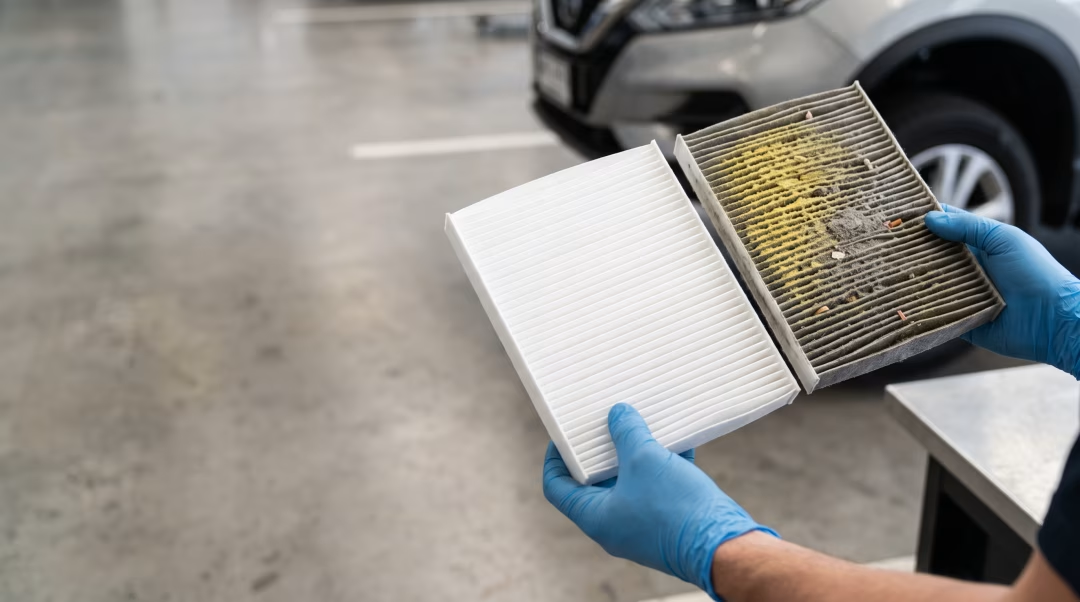
When this filter becomes clogged with the sheer volume of North Carolina pollen, you will likely notice several tell-tale signs. A musty or unpleasant odor coming from the vents is a common symptom, as trapped organic material and moisture can breed mildew. You may also experience a noticeable reduction in airflow from your A/C or heat, forcing the system's fan to work harder to push air through the clogged filter. This extra strain can reduce the efficiency of your HVAC system and potentially lead to more costly repairs down the road. Most importantly, a dirty filter fails at its primary job, allowing allergens to enter the cabin and aggravate allergy and asthma symptoms.
The Engine Air Filter: Protecting Your Vehicle's Performance
While the cabin filter ensures your comfort, the engine air filter ensures your vehicle's performance and longevity. An internal combustion engine requires a precise mixture of air and fuel to operate efficiently. The engine air filter sits at the front of the air intake system, preventing dirt, pollen, debris, and insects from being sucked into the engine's sensitive components.
A clogged engine air filter essentially suffocates the engine, restricting the amount of clean air it needs for proper combustion. This can lead to a host of performance issues. You might notice your car feels sluggish or has trouble accelerating. Your fuel economy will likely suffer, as the engine compensates for the lack of air by using more fuel. In some cases, a severely restricted filter can even trigger the "Check Engine" light. Over time, allowing unfiltered air into the engine can cause abrasive damage to internal parts like pistons and cylinders, leading to expensive and extensive repairs. You can learn more about important pre-purchase checks by reading our guide on what to check under the hood before buying any used vehicle.
When to Replace Your Filters in a High-Pollen Environment
Most vehicle manufacturers recommend replacing air filters every 12,000 to 15,000 miles. However, these are general guidelines based on average driving conditions. In a place like Fayetteville or anywhere in Cumberland County, the intense pollen season qualifies as a severe condition. It is wise to inspect your filters more frequently.
- Visually inspect your engine air filter every other oil change. If it looks dark, dirty, or is filled with visible debris, it is time for a replacement.
- Plan on replacing your cabin air filter at least once a year, ideally right after the heavy spring pollen season concludes.
- If you frequently drive on dirt roads or in dusty, rural areas, you should check and replace both filters even more often.
Changing these filters is often a simple DIY task that can be done with basic tools. However, on some newer vehicles, the cabin air filter can be located in a hard-to-reach spot behind the glove box. If you are not comfortable performing the replacement yourself, it is an inexpensive service that any qualified technician can handle quickly. Taking care of this small detail is a major step in proactive vehicle care.
Our Commitment to Quality Pre-Owned Vehicles
Here at our dealership, we understand the unique challenges of vehicle ownership in North Carolina. That is why our inspection process for every pre-owned car, truck, and SUV is so thorough. We pay close attention to maintenance items like air filters, ensuring that any vehicle you find in our inventory is ready to provide you with clean cabin air and optimal engine performance from day one. We believe that providing reliable transportation starts with sweating the small stuff. If you have questions about our process or want to explore financing options, feel free to contact us or learn more about how Cumberland County residents can compare local buy here pay here dealerships.
What is the difference between an engine air filter and a cabin air filter?
The engine air filter cleans the air going into your engine for combustion, which is essential for performance and fuel economy. The cabin air filter cleans the air that comes into the car's interior through the A/C and heating vents, which is essential for your health and comfort.
Can a clogged cabin air filter make my allergies worse inside my car?
Absolutely. A clogged or old cabin air filter loses its ability to trap pollen, dust, and other allergens. This allows those irritants to circulate freely inside your vehicle's cabin, which can significantly worsen allergy and asthma symptoms for you and your passengers.
How do I know if my engine air filter needs changing?
Common signs include sluggish acceleration, reduced fuel efficiency, and in some cases, a check engine light. The easiest way is to visually inspect it. A new filter is typically white or off-white; if yours is dark gray, black, or visibly clogged with dirt and debris, it needs to be replaced.
Does driving in heavy Fayetteville traffic affect my air filters?
Yes, it can. Stop-and-go traffic in areas with high vehicle density can expose your filters to more exhaust fumes and road dust. This, combined with North Carolina's heavy pollen, can cause your filters to become dirty more quickly than if you were driving primarily on open highways.
Will a new engine air filter improve my car's gas mileage?
Yes, replacing a clogged engine air filter can improve your gas mileage. When the filter is dirty, your engine has to work harder and burn more fuel to get the air it needs. A clean filter restores proper airflow, allowing the engine to operate at its peak efficiency, which often results in better fuel economy.
