

Buyer Should Know Before Financing
Stepping into the world of truck ownership for the first time is an exciting journey, but the path to getting the keys involves more than just picking a color. The financing process, in particular, can seem complex if you have never been through it before. Understanding the key factors that influence your loan approval and overall cost is crucial. This guide is designed to demystify truck financing for first-time buyers. We will walk you through everything from establishing a realistic budget that accounts for the total cost of ownership to preparing your documentation for a smooth application process. Knowing what to expect beforehand empowers you to make confident, informed decisions. By learning about credit, down payments, and loan terms now, you can drive off the lot in a reliable used truck that fits both your needs and your financial picture, setting you up for success from your very first payment.
Securing financing for your first truck is a significant financial milestone. It is about more than just a monthly payment; it is about building a foundation for your financial future. As you explore our extensive used inventory, remember that our team is here to help. We specialize in making the process transparent and understandable, especially for those new to auto loans. Our goal is to see you drive away not just with a great truck, but with a financing plan that you feel good about.
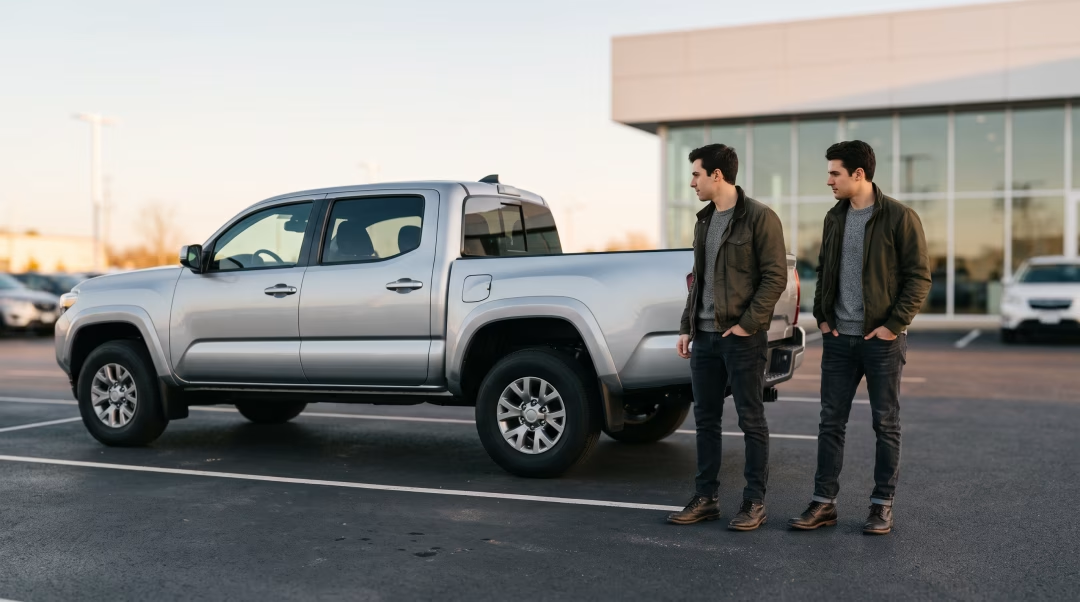
A Comprehensive Guide for Your First Truck Financing Journey
Buying your first truck is a major step. Trucks offer utility, capability, and a commanding view of the road that you cannot get from a car. However, that capability comes with unique considerations, especially when it comes to financing. As a first-time buyer, you need to look beyond the sticker price and understand the entire financial landscape of truck ownership. This guide will cover the critical aspects you need to know before you sign on the dotted line, ensuring your first truck purchase is a positive and successful experience.
Step 1: Define Your Needs and Set a Realistic Budget
Before you even start looking at specific models, you must first determine what you need a truck for. Your intended use will directly influence the type of truck that is right for you, which in turn affects its price, insurance cost, and fuel consumption. Are you hauling heavy equipment for work, towing a boat on weekends, or do you just need the versatility of an open bed for occasional home improvement projects? A half-ton truck like a Ford F-150 or Ram 1500 is perfect for general-purpose use, while a three-quarter-ton (F-250, Ram 2500) or one-ton model might be necessary for serious towing and hauling.
Once you know the class of truck you need, you can create a budget. The total cost of ownership is much more than the monthly payment. You must account for:
- Insurance Premiums: Trucks, especially larger 4x4 models, can cost more to insure than a standard sedan.
- Fuel Costs: Trucks are heavier and less aerodynamic than cars, leading to higher fuel consumption. Estimate your weekly mileage and calculate potential fuel expenses based on current gas prices.
- Maintenance and Repairs: Larger tires, bigger brakes, and more robust suspension components can be more expensive to replace. Set aside an emergency fund for unexpected repairs.
Understanding how much of your income a payment should be is a critical first step. A good rule of thumb is to keep your total automotive expenses (payment, insurance, and fuel) below 15-20% of your take-home pay.
Step 2: Understanding In-House Financing as a First-Time Buyer
For many first-time buyers, especially those with little or no credit history, traditional bank loans can be difficult to secure. This is where in-house financing, also known as Buy Here Pay Here (BHPH), becomes an invaluable option. Unlike banks that focus almost exclusively on your credit score, a BHPH dealership like ours acts as the lender. We are more interested in your current financial stability, such as your income and job history. To learn more, read our guide on what in-house financing actually means.
This approach allows us to approve buyers who might otherwise be turned down. We look at your ability to make payments going forward, not just your past credit challenges. This makes it possible for a first-time buyer with no credit to get approved for a quality used truck. The process is typically much faster and involves less paperwork than a traditional bank loan. You can apply for financing, get approved, and choose your vehicle all in one place.
Step 3: Preparing for Your Financing Application
A smooth and quick approval process starts with being prepared. Having your documentation in order shows that you are a serious and organized buyer. While requirements can vary slightly, you should plan to bring the following items with you when you are ready to apply:
- Proof of Income: Recent pay stubs (usually the last 30 days) are standard. If you are self-employed or a gig worker, you may need bank statements or tax documents. We have resources for applicants with non-traditional jobs, such as what documentation a gig worker needs.
- Proof of Residence: A recent utility bill or bank statement with your name and current address is typically required.
- Valid Driver's License: A current, government-issued photo ID is necessary to verify your identity.
- Down Payment: Having a down payment is crucial. It lowers the amount you need to finance, which can reduce your monthly payments and the total interest paid. If you have a vehicle to trade in, you can use its value toward your down payment. You can get an estimate by using our value my trade tool online.
Step 4: Inspecting and Test Driving Your Potential Truck
Once you have a budget and have been pre-qualified for financing, the fun part begins: choosing your truck. When buying a used truck, a thorough inspection is non-negotiable. Trucks often live harder lives than cars, so you need to check for signs of heavy wear and tear. Pay close attention to the frame for excessive rust, check the tires for even wear, and look for any signs of fluid leaks under the hood.
The test drive is your opportunity to see how the truck feels on the road. Do not just drive it around the block. Take it on a variety of roads, including highways, to test its acceleration, braking, and handling at different speeds. Listen for any unusual noises from the engine or suspension. Does the transmission shift smoothly? Does the 4x4 system engage properly? Taking the time for a proper evaluation can save you from major headaches down the road. You can always schedule a test drive with our team to ensure you have ample time to get to know the vehicle.
Your Questions Answered: First-Time Truck Financing FAQ
How much of a down payment do I need for my first truck?
While there is no single set amount, a larger down payment is always better. It reduces your loan amount, which can lower your monthly payments and total finance charges. A common recommendation is 10-20% of the vehicle's price. However, we work with buyers in many different situations, and using a tax refund for a down payment or valuing a trade-in can help you get started.
Can I get financed for a truck with no credit history?
Yes, absolutely. This is a common situation for first-time buyers. In-house financing or Buy Here Pay Here dealerships specialize in these scenarios. We base our lending decisions more on your income and job stability than a non-existent credit score, making it much easier for a young adult with no credit to get approved.
Does buying a bigger truck mean a higher insurance premium?
Generally, yes. Insurance companies calculate premiums based on risk, repair costs, and vehicle value. Larger, more expensive trucks, especially 4x4 models, typically cost more to repair and replace than smaller trucks or sedans. This often results in higher insurance rates. It is always a good idea to get insurance quotes for specific models you are considering before you make a final decision.
What is the most important thing to check on a used truck before buying?
While a full inspection is vital, the frame is arguably the most critical component to check on a used truck. Look underneath the vehicle with a flashlight for signs of excessive rust, corrosion, or any cracks or bends from accidents or overloading. A compromised frame can be a serious safety issue and is often prohibitively expensive to repair, making it a deal-breaker.
How does a trade-in affect my truck financing?
Trading in your current vehicle can significantly help your financing situation. The value of your trade-in is applied directly to the price of the new truck, acting as a substantial portion of your down payment. This reduces the total amount you need to borrow, which can lead to a lower monthly payment and less interest paid over the life of the loan. You can start by getting an online estimate on our Value My Trade page.
