

for a Cumberland County Summer Commute
The summer season in Cumberland County brings with it intense heat, high humidity, and unexpected thunderstorms, all of which can take a serious toll on your vehicle. A daily commute through Fayetteville or a drive out to Hope Mills can quickly turn into a roadside emergency if your car is not properly prepared. The combination of scorching asphalt and stop-and-go traffic puts immense strain on your engine's cooling system, battery, and tires. Ensuring these key components are in top condition is not just about comfort, it is about reliability and safety. A few proactive checks can prevent common summer breakdowns, like overheating or a dead battery, saving you time, money, and the stress of being stranded. A well-maintained vehicle is your best defense against the demanding conditions of a North Carolina summer, ensuring you arrive at your destination safely every time.
Ultimately, the best way to handle a summer commute is with a reliable vehicle you can trust. If your current car is struggling to keep up, it might be time to explore other options. Investing in a quality used vehicle that has been thoroughly inspected can provide the peace of mind you need. Our extensive used inventory features a wide selection of cars, trucks, and SUVs ready to tackle the summer heat. Let us help you find a dependable ride for your daily drive.
Your Comprehensive Guide to Summer Vehicle Readiness
A daily commute in Cumberland County during the summer is more than just a drive; it is a test of your vehicle's endurance. From the heat radiating off the roads in Fayetteville to the humidity that settles over the region, every part of your car is working overtime. Neglecting essential maintenance can lead to a cascade of problems that are easily avoidable. This guide will walk you through the most critical areas to inspect and maintain, ensuring your vehicle is prepared for anything the season throws at it. Taking these steps not only protects your investment but also ensures the safety of you and your passengers.
Under the Hood: The Core of Summer Preparation
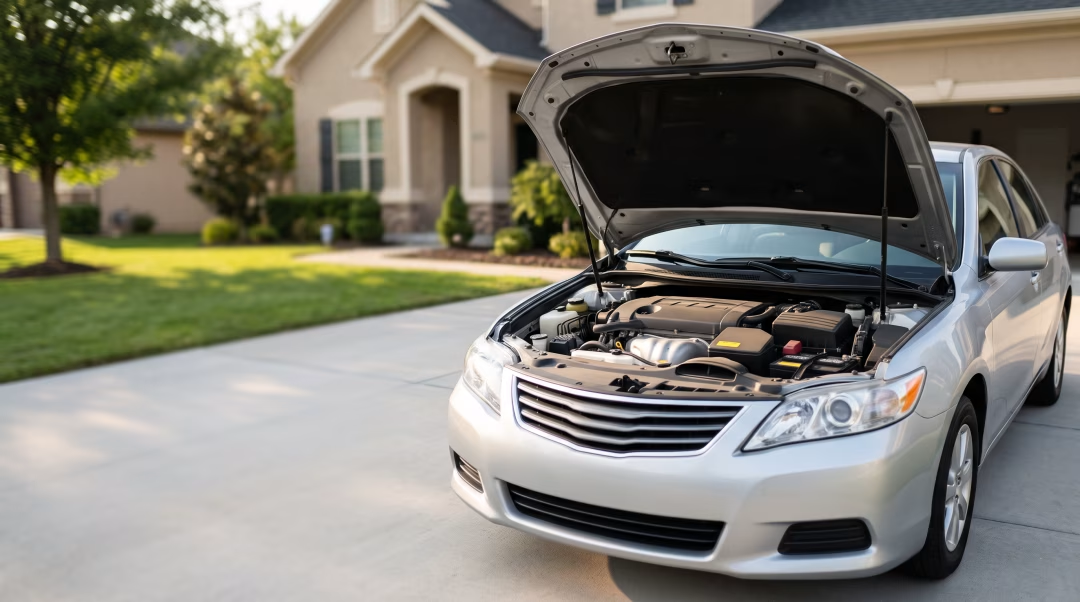
The engine bay is ground zero for summer-related vehicle issues. High ambient temperatures force every component to work harder, making pre-season checks absolutely essential. Before the heat becomes relentless, take the time to inspect these critical systems.
Cooling System Integrity
Your vehicle's cooling system is its first line of defense against overheating, the most common cause of summer breakdowns. It works by circulating coolant, or antifreeze, through the engine to absorb heat and then dissipating that heat through the radiator. When this system is compromised, engine temperatures can rise to dangerous levels, causing severe and expensive damage. Start by checking your coolant level. When the engine is cool, ensure the coolant in the reservoir is between the "min" and "max" lines. Inspect the coolant's condition; it should be free of rust or debris. You should also examine all hoses for cracks, leaks, or sponginess. Over time, rubber hoses can degrade and become weak, making them prime candidates for failure under pressure. For a deeper dive into what to look for, our guide on what to check under the hood provides excellent tips.
Air Conditioning Performance
A functional air conditioning system is not a luxury in a North Carolina summer; it is a necessity for comfort and safety. An excessively hot cabin can lead to driver fatigue and distraction. If your A/C is blowing warm air or is not as cold as it used to be, it could be low on refrigerant. While you can purchase DIY recharge kits, a weak A/C can also be a sign of a leak or a failing compressor, which requires professional attention. Another often-overlooked component is the cabin air filter. A clogged filter can restrict airflow, reducing your A/C's effectiveness and circulating allergens inside your vehicle. Replacing it is a simple and inexpensive task that can significantly improve air quality and flow.
Battery Health and Power
While many people associate battery problems with cold weather, high heat is actually more damaging. Excessive temperatures can cause the fluid inside the battery to evaporate, leading to internal damage and a reduced ability to hold a charge. This is why understanding how summer heat affects your battery is so important. Start by visually inspecting the battery terminals for corrosion, which looks like a white or bluish powdery substance. If you see any, you can clean it off with a wire brush and a mixture of baking soda and water. Most auto parts stores offer free battery testing, which can tell you if your battery is still holding a proper charge. If your battery is more than three years old, having it tested before summer is a wise move.
Tires and Fluids: The Unsung Heroes of Summer Driving
Your vehicle's connection to the road and the liquids that keep it running smoothly are critical for a safe summer commute. Hot pavement and demanding conditions require them to be in optimal shape.
Tire Pressure and Condition
Tires are profoundly affected by temperature changes. For every 10-degree increase in ambient temperature, tire pressure can increase by about 1 PSI (pound per square inch). Driving on overinflated tires can reduce traction and cause uneven wear. Conversely, underinflated tires generate more heat, increasing the risk of a blowout on hot asphalt. Check your tire pressure in the morning before you drive, when the tires are cool, and inflate them to the manufacturer's recommended PSI found on the sticker inside your driver's side door jamb. While you are there, inspect the tread for wear and look for any cracks, bulges, or embedded objects. A simple way to check tread depth is with a penny; if you can see all of Lincoln's head, it is time for new tires.
Essential Fluid Levels
Just like your body needs to stay hydrated, your vehicle relies on various fluids to operate correctly. Heat can accelerate the breakdown of these fluids, reducing their effectiveness.
- Engine Oil: Oil lubricates moving parts and helps cool the engine. Check the dipstick regularly and ensure the oil is at the proper level and is not overly dark or gritty.
- Transmission Fluid: This fluid is vital for smooth gear shifts. Low or dirty fluid can lead to transmission overheating and failure.
- Brake Fluid: Responsible for transferring pressure from the pedal to the brakes, this fluid must be at the correct level to ensure stopping power.
- Windshield Washer Fluid: Summer brings dust, pollen, and insects. A full reservoir of washer fluid is crucial for maintaining clear visibility.
Creating Your Summer Roadside Emergency Kit
Even with the best preparation, unexpected issues can arise. Being equipped with a summer-specific emergency kit can make a significant difference if you find yourself stranded on the side of the road. Consider packing a small bag with the following items:
- Jumper cables or a portable jump starter.
- Bottled water and non-perishable snacks.
- A basic first-aid kit.
- A powerful flashlight with extra batteries.
- A portable phone charger or power bank.
- A reflective sunshade to keep the interior cool while you wait for help.
- Basic tools like a multi-tool, gloves, and a towel.
By taking these proactive steps, you can confidently face your summer commute in Cumberland County. A little preparation goes a long way in ensuring a safe and stress-free driving season. And if you are considering an upgrade to a more reliable vehicle, do not hesitate to contact us or schedule a test drive to find the perfect summer-ready car for your needs.
How often should I check my tire pressure during a Cumberland County summer?
It is a good practice to check your tire pressure at least once a month, and more frequently if there are significant temperature swings. Hot weather causes the air inside your tires to expand, so checking them in the morning when they are cool provides the most accurate reading. Maintaining proper inflation is key to safety, fuel efficiency, and tire longevity.
What are the warning signs of an overheating engine?
The most obvious sign is the temperature gauge on your dashboard climbing into the red zone. You might also notice steam or smoke coming from under the hood, a strange, sweet smell from leaking coolant, or a noticeable loss of engine power. If you experience any of these, pull over safely as soon as possible, turn off the engine, and call for assistance.
Can the summer heat in North Carolina really drain my car battery?
Yes, absolutely. High heat accelerates the chemical reactions inside a car battery, which can cause the internal fluid to evaporate and lead to corrosion and damage. This weakens the battery's ability to hold a charge, making it more likely to fail, especially after short trips where it does not have enough time to fully recharge from the alternator.
For fuel economy, is it better to use the AC or drive with the windows down?
It depends on your speed. At lower speeds, such as in city traffic, driving with the windows down is more fuel-efficient. However, at highway speeds (typically above 45 mph), open windows create significant aerodynamic drag, forcing your engine to work harder. In these situations, using your air conditioning system is actually the more fuel-efficient choice.
Why is my car's air conditioning system blowing warm air?
The most common reason for an A/C system to blow warm air is a low level of refrigerant, which usually indicates a leak somewhere in the system. Other potential causes include a clogged cabin air filter, a failing compressor, a bad condenser, or an electrical issue. It is best to have a qualified technician diagnose the specific problem to ensure a proper and lasting repair.
