

That May Have Been In a Flood
When shopping for a pre-owned vehicle, finding a great deal is exciting, but it is crucial to know what to look for to avoid hidden problems. One of the most severe issues a used car can have is undisclosed flood damage. Water can wreak havoc on a vehicle’s mechanical components, electrical systems, and structural integrity, leading to a cascade of expensive and often irreparable problems down the road. A car that looks perfectly fine on the surface could be hiding a history of water immersion that compromises its safety and reliability. Learning how to spot the telltale signs of a flood-damaged vehicle is an essential skill for any savvy car buyer. This guide will empower you with the knowledge to inspect a car like a professional, helping you steer clear of waterlogged lemons and invest confidently in a dependable ride. Our commitment is to ensure every vehicle on our lot, from our extensive used inventory, meets rigorous standards for quality and safety.
Here, we believe in complete transparency and building trust with our community. That is why we meticulously inspect every car, truck, and SUV before it ever reaches our sales floor. We want you to feel confident and secure in your purchase, knowing that you are getting a reliable vehicle that will serve you well for years to come. Our team is dedicated to helping you find the perfect vehicle without the worry of hidden damage. To learn more about our values and our commitment to you, please visit our about us page.
Your Comprehensive Guide to Identifying Flood-Damaged Cars
A vehicle caught in a flood is often declared a total loss by insurance companies, and for good reason. Once water, especially corrosive saltwater, infiltrates a car, it can start a slow but steady process of decay. Electronics short out, metal rusts from the inside out, and mold and mildew create unhealthy and unpleasant cabin environments. Unfortunately, some of these vehicles are superficially cleaned up and sold to unsuspecting buyers, a practice known as "title washing." The car may look great, but it is a ticking time bomb of mechanical and electrical failures. Protecting yourself requires a detailed inspection that goes beyond a simple walk-around. You need to use your senses—smell, sight, and touch—to uncover the evidence that water leaves behind. This guide breaks down the process into easy-to-follow steps.
Step 1: The Olfactory Test – Trust Your Nose
The very first test you should conduct requires no tools at all—just your sense of smell. Before you even look at the details, sit inside the car with the doors and windows closed for a minute. Take a deep breath. A persistent, musty, or mildew-like odor is a major red flag. This smell is the result of mold and bacteria growing in damp carpets, seat padding, and upholstery. It is an earthy, sour scent that is very difficult to completely eliminate. Be wary if the car has an overwhelming amount of air freshener, shampoo, or disinfectant scent. While it could just be a sign of diligent cleaning, it is also a common tactic used to mask the underlying smell of dampness and decay. If the smell is strong, it is a clear warning sign to investigate much further or simply walk away.
Step 2: A Detailed Interior Inspection
After the smell test, it is time for a thorough visual and tactile inspection of the interior. Water leaves behind unmistakable clues if you know where to look.
- Carpets and Upholstery: Press your hand firmly into the carpet in several spots, especially in the footwells and under the seats. Feel for any lingering dampness or a spongy texture. Pull back a corner of the carpet if possible and look for water stains, caked-on mud, or silt underneath. Brand-new carpet in an older vehicle is highly suspicious, as it is rarely replaced unless there has been significant damage. Check the upholstery for water lines or discoloration that might indicate how high the water level reached.
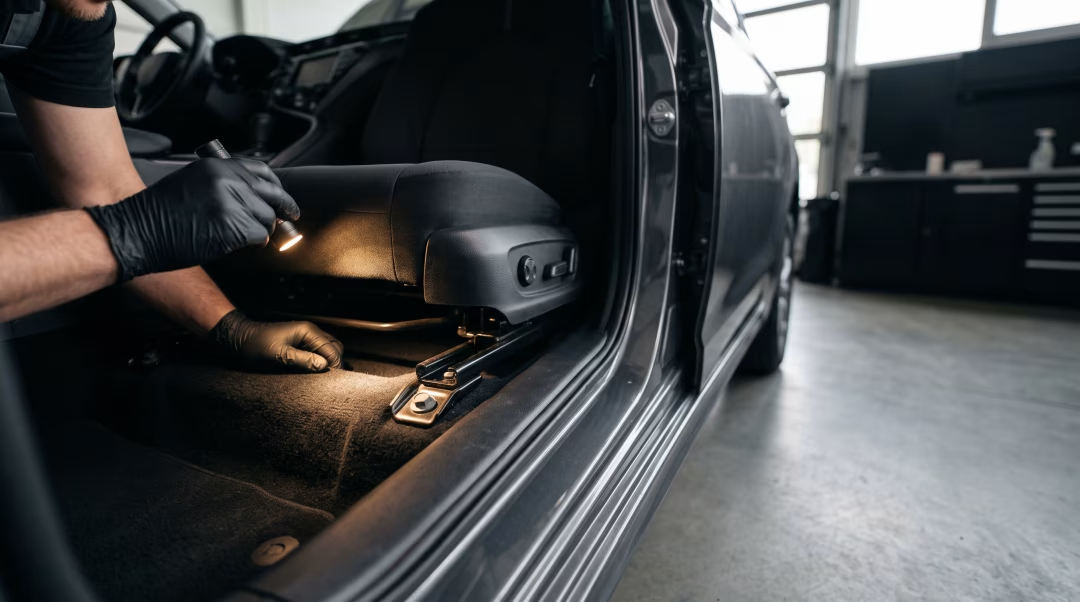
- Seat Tracks and Hardware: Use a flashlight to get a good look at the metal components under the seats. Inspect the seat mounting bolts and the seat tracks for any signs of rust or corrosion. These parts are typically untreated metal and will rust quickly when exposed to significant moisture. Factory-installed hardware should not have any rust.
- Dashboard and Electronics: Look closely at the instrument panel gauges. Do you see any fogging, moisture droplets, or a visible waterline inside the plastic covers? This is a clear sign that water has been inside the dashboard. Turn the key to the "on" position without starting the engine and test every single electronic function: the radio, turn signals, power windows, power locks, interior lights, and climate control system. Malfunctions or erratic behavior could point to water-damaged wiring.
- Hidden Compartments: Do not forget to check the places where water and silt collect and are often missed during a quick cleanup. Open the glove compartment and the center console. Shine your flashlight under the dashboard. Check the trunk, and be sure to lift the floor panel to inspect the spare tire well. This is a common spot to find standing water, rust, mud, or debris.
Step 3: Examining the Exterior and Under the Hood
The signs of flood damage are not confined to the interior. The engine bay and exterior can also reveal a waterlogged past. A comprehensive look under the hood is a critical part of any used vehicle inspection.
- Lights and Lenses: Inspect the headlights and taillights for condensation or fogging inside the lenses. A visible, dirty waterline along the inside of the lens is a dead giveaway that the vehicle was submerged.
- Engine Bay: Open the hood and look for signs of mud, silt, or dried debris in hard-to-reach corners. Check the wiring harnesses and electrical connectors for corrosion. Look for rust on unpainted metal parts, such as screw heads and brackets, which should normally be clean.
- Fluid Checks: Pull the engine oil dipstick. The oil should be a uniform, dark color. If it appears milky, foamy, or looks like coffee with cream, this indicates that water has mixed with the oil, which can cause catastrophic engine damage. Do the same for the transmission fluid dipstick if accessible.
Step 4: Reviewing Documentation and Professional Opinions
Your own inspection is vital, but you should always back it up with official documentation and a professional assessment.
First, always run a vehicle history report using the car’s Vehicle Identification Number (VIN). Services like CarFax and AutoCheck can provide a wealth of information, including whether the vehicle has ever been issued a "salvage" or "flood" title. However, be aware that this is not foolproof. If the owner did not have comprehensive insurance or the damage was never reported, it might not appear on the report.
Finally, if you are serious about a vehicle but still have doubts, invest in a pre-purchase inspection (PPI) from a qualified, independent mechanic. A professional technician can put the car on a lift to inspect the undercarriage for rust and damage that you cannot see. They can also perform diagnostic tests on the electrical system to detect hidden problems. The small cost of a PPI can save you thousands in future repairs and provide invaluable peace of mind. After you are confident in your choice, you can get pre-qualified right on our site to streamline the buying process.
What is a "flood title"?
A "flood title" is a type of branded title issued by a state's Department of Motor Vehicles to a vehicle that has sustained significant water damage. When an insurance company declares a vehicle a total loss due to flooding, the title is rebranded to alert future buyers of its history. This helps prevent the car from being sold without disclosing the severe damage it has experienced.
Can a car with flood damage be reliably repaired?
It is extremely difficult and often impossible to reliably repair a flood-damaged vehicle. Modern cars have complex electrical systems with numerous computers, sensors, and wiring harnesses that are highly susceptible to corrosion. Even after a thorough cleaning, moisture can remain trapped, leading to long-term rust and electrical failures that may not appear for months or even years.
Does a clean vehicle history report guarantee a car has no flood damage?
No, it does not. While a vehicle history report is an essential tool, it is not infallible. If a car was uninsured or the owner repaired it out-of-pocket without reporting the damage, the flood event would not appear on the report. This is why a thorough physical inspection and a professional pre-purchase inspection are absolutely crucial steps in the buying process.
Are newer cars more resistant to flood damage than older ones?
In some ways, newer cars are even more vulnerable to flood damage. While their body panels may have better rust-proofing, they rely much more heavily on sophisticated electronics. A modern vehicle can have dozens of computer modules controlling everything from the engine and transmission to the airbags and infotainment system. These sensitive components are easily destroyed by water, making repairs incredibly complex and expensive.
Why is saltwater exposure worse for a car than freshwater?
Saltwater is significantly more corrosive than freshwater. The salt accelerates the process of rust and decay on all metal components, including the vehicle's frame, suspension parts, and engine components. It is also highly conductive, which dramatically increases the likelihood of short circuits and permanent damage to wiring and electronic modules throughout the vehicle.
