

Release Once a Vehicle is Paid Off?
Making that final payment on your vehicle is a major accomplishment and a moment of genuine excitement. After years of budgeting and timely payments, the car is finally, truly yours. However, there is one last crucial step to complete before you have full, unencumbered ownership: getting a lien release. A lien is a legal claim a lender has on your vehicle as collateral for the loan. Until that lien is officially released, the lender technically remains a party of interest. Securing the lien release and obtaining a clear title in your name is the final administrative hurdle. This process confirms to your state's Department of Motor Vehicles (DMV) that the debt has been satisfied. Understanding how this process works ensures you can navigate it smoothly, avoiding potential delays or complications when you decide to sell, trade, or simply enjoy your paid-off vehicle with complete peace of mind.
Once you have the lien release in hand, the next step is to work with your local DMV to have a new, clear title issued that shows you as the sole owner. This document is essential, as it proves your ownership and is required if you ever want to value your trade or sell the vehicle to a private party. Neglecting this final step can lead to significant headaches down the road, so it is vital to see the process through to completion for true ownership.
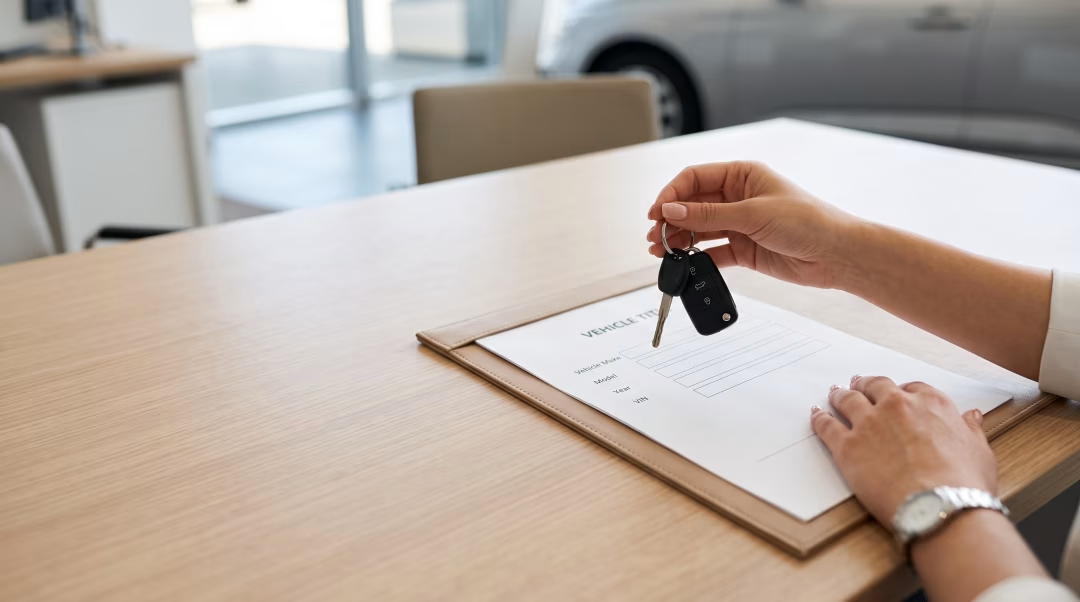
The Step-by-Step Guide to Securing Your Lien Release and Clear Title
Navigating the post-loan process is straightforward when you know what to expect. Paying off your vehicle is the biggest part of the journey, but finalizing the paperwork is what truly makes the car yours in the eyes of the law. This process involves your lender and your state's motor vehicle agency. While specifics can vary slightly from state to state and lender to lender, the core steps remain consistent. Following them ensures you receive the proper documentation and update your vehicle's official records correctly.
Step 1: Confirm and Make Your Final Payment
Before you send what you believe is the last payment, it is always wise to request a final payoff quote from your lender. This amount can sometimes differ slightly from your regular payment due to prorated interest or small remaining fees. You can usually request this quote online through your lender's portal or by calling their customer service line. Paying the exact quoted amount ensures the loan balance is reduced to zero and prevents any minor outstanding balance from delaying your lien release. Once you have the quote, make the payment through your preferred method and be sure to keep a record of the transaction, such as a bank statement or a confirmation email, for your personal files.
Step 2: The Waiting Period and Lender Processing
After your final payment has been processed, the lien release does not happen instantly. Lenders have an internal administrative process to follow. They must verify the payment has cleared, close out the loan account, and then prepare the necessary release documents. The time this takes is often regulated by state law, but a typical timeframe is anywhere from 10 to 30 days. During this period, the lender is working to either physically sign off on your existing paper title or, more commonly, to electronically notify your state's DMV that the lien has been satisfied. Patience is key here, but it is also good to know the expected timeline so you can follow up if necessary.
Step 3: Receiving Your Lien Release Documents
What you receive from the lender depends on how your state handles vehicle titles and whether they use an Electronic Lien and Title (ELT) system. Here are the most common scenarios:
- A Lien Release Letter and the Original Title: In states with paper titles, the lender may have held the physical title during your loan term. Once paid off, they will sign the section of the title releasing their interest and mail it to you along with a formal lien release letter on their letterhead.
- Only a Lien Release Letter: If you held the physical title during the loan (with the lender listed as a lienholder), the lender will send you just the official lien release document. You will then need to take both this document and your title to the DMV.
- Electronic Notification: In many states with ELT systems, the lender sends a digital notification directly to the DMV. The DMV then either automatically prints and mails you a new, clear paper title or waits for you to request one. The lender may still send you a letter confirming the loan is paid for your records.
Step 4: Visit Your Local DMV to Get a Clear Title
Once you have received your documents from the lender or have confirmed the electronic release has been sent, your final step is to secure a new title that lists only you as the owner. This is often called a "clear" or "free and clear" title. You will need to take your required documents to your local DMV or equivalent state agency. Be prepared to bring:
- The original title showing the lienholder's signature releasing interest.
- The official lien release letter from your lender.
- A valid form of personal identification, such as a driver's license.
- Payment for any applicable title transfer fees.
The DMV clerk will process your paperwork, verify the lien release, and issue a new title. Depending on the state, they may print it for you on the spot or mail it to your address on file within a few weeks. Once you have this new title, store it in a safe place, like a fireproof box or a safe deposit box. It is the ultimate proof of your vehicle ownership.
Troubleshooting Common Lien Release Issues
While the process is usually smooth, issues can sometimes arise. If you have not received your documents after 30-45 days, it is time to be proactive. Start by contacting your lender's title department or customer service. Have your Vehicle Identification Number (VIN) and loan account number handy. If the lender has gone out of business, you may need to contact your state's financial regulatory agency for guidance. If you receive a document with errors, such as a misspelled name or incorrect VIN, contact the lender immediately to have a corrected version issued before going to the DMV. Understanding the basics of different financing types, such as the difference between buy here pay here versus a traditional bank loan, can also help you understand the specific processes your lender may follow.
Frequently Asked Questions About Vehicle Lien Releases
How long does it typically take to get a lien release after the final payment?
The timeframe can vary by state and lender, but you should generally expect to receive your lien release documentation within 10 to 30 days after your final payment has been successfully processed. If you have not heard anything after 30 days, it is a good idea to contact your lender to check on the status.
What should I do if I never receive my lien release letter or title?
Your first step should be to contact the lender directly. They can confirm when and where the documents were sent and can issue a duplicate if it was lost. Be prepared to provide your VIN and loan account number to help them locate your records quickly.
Is a lien release the same thing as a car title?
No, they are different but related documents. A lien release is a formal notice from a lender stating that a loan has been paid in full. A car title is the official state document proving legal ownership of the vehicle. You need the lien release to get a new, "clear" title from the DMV that has the lender's name removed.
What do I do with the lien release document once I receive it?
You must take the lien release document, along with your old title and personal identification, to your state's DMV or motor vehicle agency. They will use the lien release to verify the loan is paid off and will then issue you a new, clean title with only your name on it as the owner.
Can I sell my car if I have the lien release but have not gotten the new title yet?
While technically possible, it is highly discouraged and can complicate the sale. Most private buyers and dealerships will refuse to complete a purchase without a clear title in your name. It is best to complete the process with the DMV and get the new title first to ensure a smooth and legal transfer of ownership.
